Thinking about buying a home in Advance, NC, but unsure how the local market really works? You are not alone. Advance is a small, rural community where one great listing can draw competition while another sits for a few weeks, and that can make planning tricky. In this guide, you will learn what prices look like right now, how North Carolina’s due diligence rules affect your offer, what costs to budget for, and how to move confidently from offer to closing. Let’s dive in.
Advance market at a glance
Advance is a small, census‑designated place with roughly 1,499 residents as of the 2020 census. With such a small pool of monthly sales, short‑term stats can be noisy and swing when a single acreage property closes. You will want to pair big‑picture trends with recent neighborhood‑level comps.
Public data shows a typical home value near $396,000 (Zillow ZHVI, as of Jan 31, 2026) and a median sale price around $357,000 (Redfin, Jan 2026). County context points to a balanced pace with median days on market near the low‑40s in recent months (Realtor.com, Davie County, Oct 2025). The takeaway for you is simple. Expect a market that is not frenzied overall, where well‑priced or updated homes, especially those with convenient access to I‑40, can still see competition.
If you want a primer on the town’s size and growth context, review the population profile for Advance from a public data source like CityPopulation.de.
What homes and prices to expect
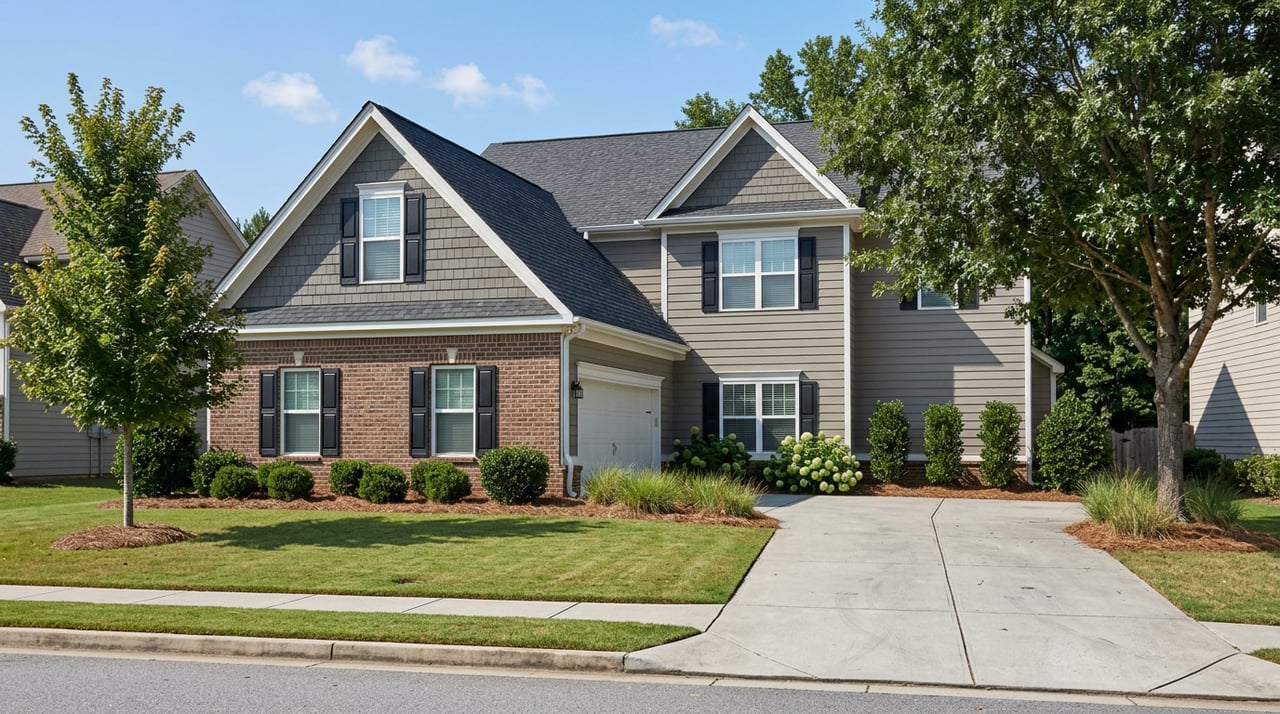
You will find a mix of older farmhouses, modest single‑family homes on half‑acre or larger lots, and newer subdivisions closer to the Bermuda Run and Clemmons corridor. There are also estate and hobby‑farm style properties on several acres that create higher outliers. Townhomes and lower‑maintenance options are more common in nearby communities.
Based on recent market context and examples, here is how price bands typically break down in and around Advance. Entry options under roughly $250,000 often include smaller, older homes or fixer properties on modest lots. The primary buyer segment runs around $300,000 to $500,000 and includes many updated single‑family homes and newer construction. Larger acreage and custom or luxury properties start around $500,000 and go higher when land and finishes line up.
Numbers vary between data providers because each uses different methods and the sample size is small. Zillow’s ZHVI tracks estimated typical values, Redfin often cites median sale prices, and local MLS snapshots may reflect higher list averages when a few large‑lot sales hit the tape. The best next step is to review very recent neighborhood comps before you write an offer.
How buying works in North Carolina
North Carolina uses a standard Offer to Purchase that includes a due diligence fee and a due diligence period. The due diligence fee is paid to the seller at ratification, it is usually credited to you at closing, and it is typically nonrefundable once you pass the due diligence deadline. During the due diligence period, you can terminate for any reason. You can read a plain‑English overview of the structure in this summary of NC purchase contracts and due diligence.
You will also deposit earnest money. North Carolina rules require earnest money to be deposited into trust or escrow within three banking days of contract acceptance, so timing is tight. The North Carolina Real Estate Commission offers helpful guidance on common questions at its official bulletin site.
North Carolina is an attorney‑closing state. A licensed attorney typically handles title work, prepares your closing documents, and records the deed. For more background on why this matters, review this overview of attorney‑supervised closings in NC.
Typical timelines
In the Advance area, a due diligence period of about 7 to 21 days is common, depending on what inspections are needed. Lender appraisal and underwriting often take 1 to 3 weeks after ratification, depending on lender volume. Most financed purchases close in about 30 to 45 days, while cash purchases can close sooner once title work is complete.
Upfront cash and closing costs
When you make an offer, plan for two upfront items. You will pay a negotiated due diligence fee to the seller at ratification, which can range from a few hundred to several thousand dollars depending on price point and competition. You will also post earnest money, commonly around 1 to 2 percent of the purchase price, which is usually refundable only if you terminate during your due diligence period or as the contract allows.
You will also pay for inspections, appraisal, and any needed survey. General home inspections often run a few hundred dollars. Septic and well testing can add several hundred dollars each if the property is on private systems. A survey can range from several hundred dollars to over a thousand, depending on lot size and complexity.
At closing, buyer‑side costs in North Carolina often land around 2 to 5 percent of the purchase price, depending on lender and local fees. For a deeper overview of common NC closing costs, see this guide from Bankrate. Sellers traditionally pay agent commissions in North Carolina, but every term in your contract is negotiable.
To plan monthly costs, factor local property taxes and utilities. Recent coverage places Davie County’s combined county tax rate near 0.6886 dollars per 100 dollars of assessed value, with revaluation years and fire districts affecting the final bill. Use parcel‑level data to confirm the current amount. You can review a practical overview in this Davie County property tax guide. Some Advance homes have county water and sewer, while many rely on well and septic. You can confirm service areas with Davie County Public Utilities.
Inspections to prioritize in Advance
Rural properties often require a few extra checks. If the home uses a private well, consider water‑quality testing for bacteria, nitrates, and basic minerals. Davie County Environmental Health provides local forms and guidance for private well sampling and septic records.
Many homes outside subdivision cores use on‑site septic systems. Ask for county septic permits and maintenance records, and consider a certified septic inspection during your due diligence window. If the home has living space on a basement or ground level, the CDC and EPA recommend radon testing during a real estate transaction. Your agent can coordinate inspectors so you have results in time to make decisions before your due diligence period ends.
The current mortgage rate picture
Rates change weekly and can shift your buying power. As of late February 2026, the Freddie Mac Primary Mortgage Market Survey reported the 30‑year fixed average near the high 5 percent range, around 5.9 percent. Always confirm the latest reading using the Freddie Mac PMMS and speak with your lender about rate options and closing timelines.
How to compete without overreaching
Advance behaves like a micro market. Some move‑in ready homes or properties with acreage draw multiple offers, while others do not. The goal is to match your offer to the specific property and seller priorities.
Here are practical levers you can use. Adjust your due diligence fee and the length of your due diligence period to signal confidence or allow time for inspections. Calibrate earnest money, closing date, and any seller‑paid costs to the seller’s timeline. In a balanced market like Davie County, waiving appraisal protections is rarely necessary, so consider an appraisal gap only if the seller requires it and you are comfortable with the cash risk.
A local agent adds value by pulling the most relevant comps on your road or in your subdivision, not just county averages that large acreage sales can skew. Your agent should also line up inspectors quickly, coordinate with a trusted closing attorney experienced in Davie County title work, and verify well, septic, and utility details with the right county departments. This teamwork helps you stay on schedule without giving up important protections.
A simple buyer checklist
- Get a full lender preapproval and a current estimate of closing costs. Check the latest rate snapshot at the Freddie Mac PMMS.
- Budget cash for a negotiated due diligence fee, earnest money, inspections, appraisal, and typical buyer closing costs.
- Ask for the current property tax bill and any HOA documents if applicable. For rural homes, request septic permit history and confirm whether the property is on county water or a private well with Davie County Environmental Health.
- Order well water testing, septic inspection, and radon testing early in your due diligence period if needed.
- Confirm who your closing attorney will be, how funds must be delivered, and your expected closing date. Review the attorney’s role in NC closings here: attorney‑supervised closings.
What this means for you
If you are aiming for a primary home in the $300,000 to $500,000 range, you will find a steady flow of options, with the best listings drawing quick attention. If you are seeking acreage or a hobby‑farm setup, inventory will be thinner, and pricing will reflect land and improvements. Either way, your success in Advance comes from pairing current, hyper‑local comps with a well‑built offer that respects North Carolina’s due diligence structure and gives you enough time to inspect what matters.
If you want tailored guidance on a specific Advance address or neighborhood, connect with a local expert. When you are ready, you can talk through price, offer strategy, and timeline, then line up the right inspectors and closing attorney so your path to the keys is smooth.
Ready to move forward with a plan that fits your goals? Reach out to Karen Swicegood to schedule your free consultation and start your Advance home search with clear next steps.
FAQs
How competitive is the Advance, NC housing market for buyers?
- County data points to a balanced pace with median days on market near the low‑40s in late 2025, so competition varies by property. Move‑in ready or well‑located homes can still draw multiple offers.
What is the North Carolina due diligence fee and how does it affect me?
- It is a negotiated, paid fee to the seller at ratification that buys you a due diligence period to inspect. It is usually credited at closing and typically nonrefundable after the deadline.
How much cash should I have ready at offer and closing in Advance?
- Plan for a due diligence fee, earnest money around 1 to 2 percent of price, inspection and appraisal costs, and buyer closing costs that often total about 2 to 5 percent of price.
Do I need special inspections for rural Davie County properties?
- Yes, many buyers add well water testing, septic inspection, and radon testing. Davie County Environmental Health provides guidance on records and sampling.
Who handles closings in North Carolina and how long does it take?
- Licensed attorneys conduct closings in North Carolina. Financed purchases commonly take 30 to 45 days from ratification to closing, depending on lender and title timelines.