Need buyers to see more than just a big yard? In Advance, a home with land can feel full of promise or surprisingly hard to read online. If you are getting ready to sell, smart staging can help buyers picture how the porch, patio, driveway approach, and open space fit into daily life. That matters in a market where polished presentation can help your listing stand out. Let’s dive in.
Why outdoor staging matters in Advance
Advance sits in Davie County, an area county officials describe as largely rural with a growing suburban population. In a place like this, outdoor space is not just extra square footage. It often plays a big role in how buyers judge privacy, flexibility, and overall livability.
The local housing picture supports that idea. Davie County has a high owner-occupied housing rate of 83.4% and lower population density, with 162.0 people per square mile in 2020. That makes homes with porches, larger lots, and usable outdoor areas especially relevant to what many buyers are already looking for.
In May 2026, Advance had 102 homes for sale, a median listing price of $436,500, median days on market of 70 days, and a 100% sale-to-list ratio. That tells you buyers are active, but listings still need to present well. A clean, organized exterior can help your home make a stronger first impression both online and in person.
What staging helps buyers do
Staging is not only about making a home look nicer. It helps buyers understand how a property could work for their lives. According to the 2025 Profile of Home Staging, 83% of buyers' agents said staging makes it easier for buyers to visualize the property as a future home.
That point matters even more for homes with land. Large outdoor areas can feel vague if they are empty or cluttered. When you define how the space can be used, buyers do less guessing and more connecting.
The same report found that 60% of buyers' agents said staging affects most buyers' view of a home most of the time. Exterior space may not rank above kitchens or living rooms, but it still counts. Buyers' agents rated yard or outside space as very important 17% of the time and somewhat important 28% of the time.
Focus on the spaces buyers see first
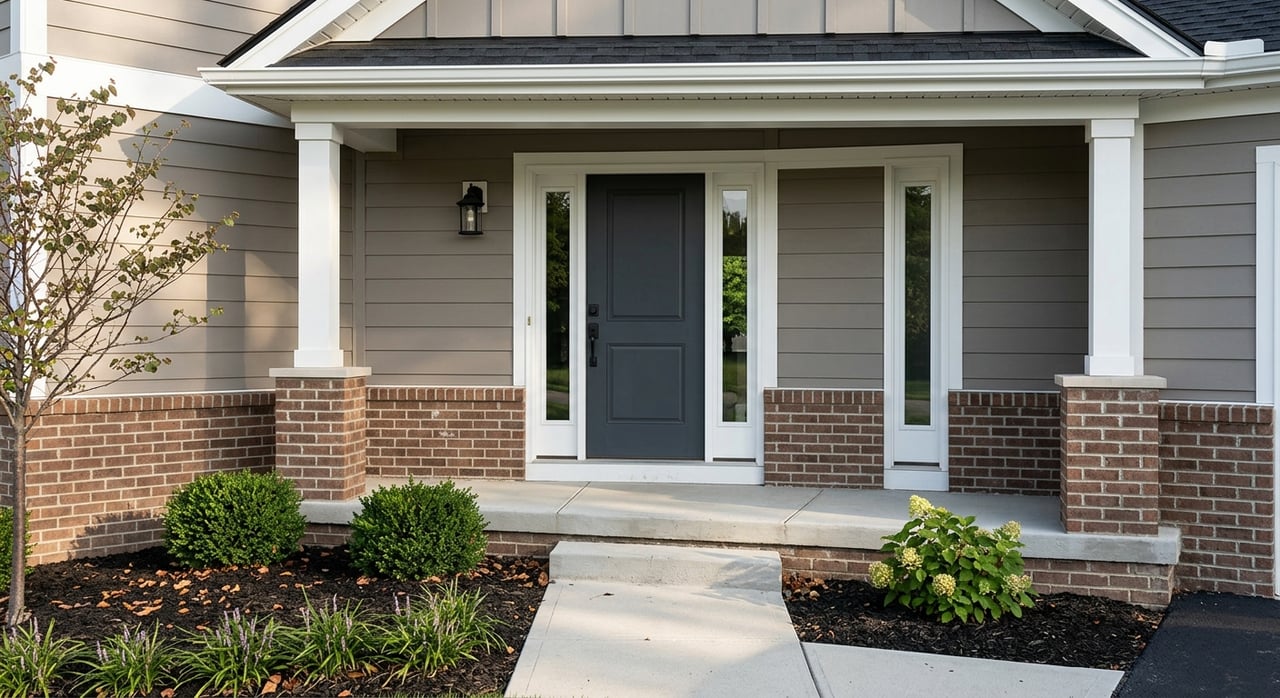
When you stage a home with land in Advance, start with the areas buyers notice in order. That usually means the driveway approach, front porch, main yard, and any visible secondary structures. If those spots look tidy and intentional, the rest of the property feels easier to trust.
Think about the story your exterior tells from the first photo. Does the home look cared for? Does the lot feel manageable? Can a buyer tell where to sit, gather, garden, or store equipment?
Start with the driveway approach
Your driveway sets the tone before a buyer reaches the front door. Clear away extra vehicles, trailers, bins, and anything that makes the approach feel crowded. If the driveway edge is overgrown, trim it back so the entrance feels open and maintained.
This first view matters because photos are the listing asset sellers value most. In the same NAR report, 88% of sellers said photos were much more or more important than other listing tools. If your first exterior images look clean and easy to understand, buyers are more likely to keep scrolling.
Make the front porch feel livable
A porch should feel like a small outdoor room, not a holding area for extra items. Sweep it well, remove shoes and packages, and keep décor simple. A couple of neutral chairs and a small table can be enough to suggest morning coffee or evening downtime.
Keep the furniture count low. Buyers should be able to move through the space easily and still notice the house itself. The goal is to show function without making the area feel busy.
Define the visible backyard
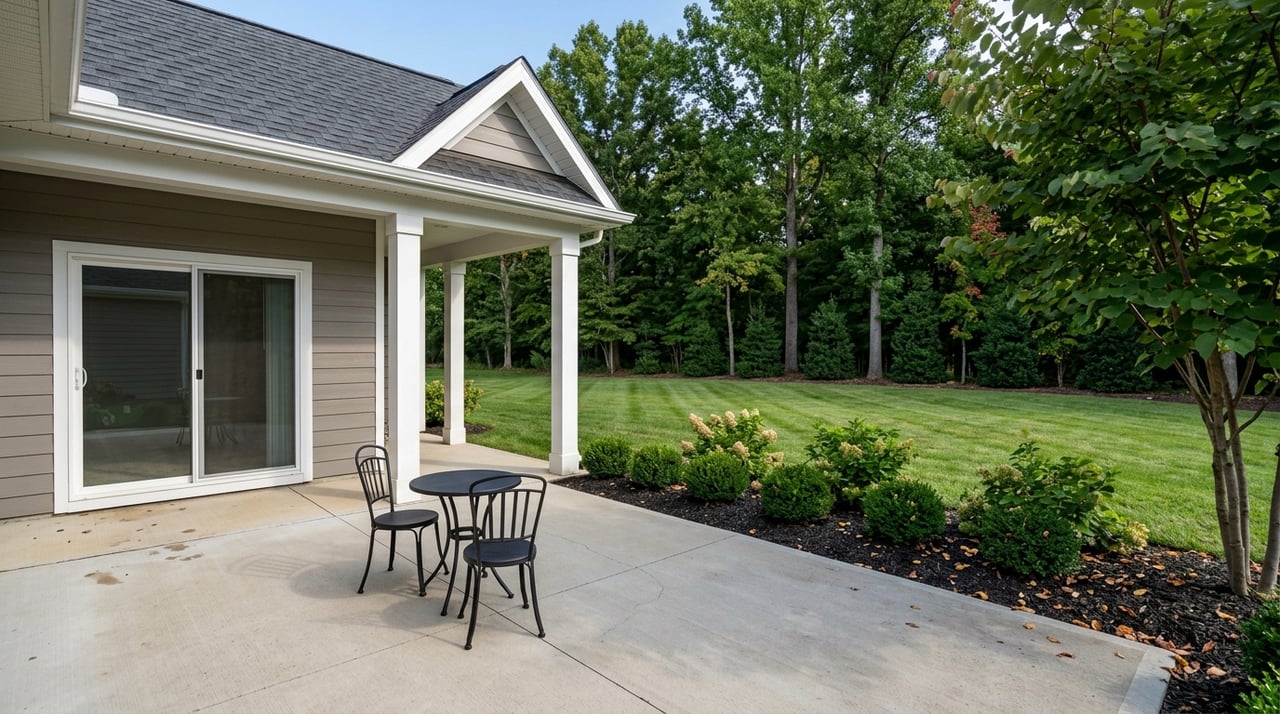
Backyards and side yards often sell the lifestyle of a property with land. Instead of leaving the area as one large open stretch, break it into simple, usable zones. A seating area, a dining spot, a fire-pit corner, or a tidy garden edge can make the space feel more purposeful.
This does not need to be expensive. It just needs to help buyers imagine how they would use the property. Defined zones make large outdoor spaces feel more approachable and easier to maintain.
Tidy up outbuildings and work areas
If your property includes a shed, workshop, detached garage, or garden area, make it look intentional. Sweep it out, organize visible items, and remove anything broken or half-finished. Buyers do not need a perfect outbuilding, but they do respond to spaces that feel useful and cared for.
The same rule applies to utility areas. Hoses, tools, pet items, and toys should be put away before photos and showings. These small fixes support the larger goal of making the land look organized rather than overwhelming.
Low-cost staging moves that make a difference
You do not need to overspend to improve how your home shows. The most commonly recommended staging actions are also some of the simplest. NAR reported that decluttering, entire-home cleaning, curb appeal improvements, and landscape work were among the top seller prep steps.
For many Advance sellers, the best return comes from practical outdoor improvements, not decorative shopping. With a median listing price of $436,500 and median days on market of 70, strong low-cost presentation may do more for your sale than buying lots of new accessories.
Here are smart places to start:
- Mow and edge the lawn
- Trim overgrowth near the house, driveway, and walkways
- Sweep porches, patios, and steps
- Hide hoses, trash bins, tools, and pet items
- Remove toys and extra outdoor furniture
- Refresh mulch or tidy planting beds if needed
- Arrange one or two simple seating or gathering areas
- Make sheds and outbuildings look clean and useful
How much should you spend?
A practical budget depends on your home's condition and how much the exterior drives buyer interest. NAR reported a median spend of $500 when a seller's agent personally staged the home and $1,500 for a staging service. That gives you a helpful benchmark if you are trying to decide how far to go.
For many homes with land in Advance, it makes sense to spend first on cleaning, decluttering, curb appeal, and a few defined outdoor zones. Those changes often improve photos and showings without pushing your budget too far. Full professional staging may be worth considering if your listing depends heavily on visual first impressions or has premium outdoor features.
Plan photos around the season
Weather affects how outdoor spaces look and feel. Based on NOAA monthly normals for the Winston-Salem station, spring and fall are usually the most comfortable windows for outdoor staging photos and showings. Average temperatures were 59.4°F in April, 67.5°F in May, 70.6°F in September, and 59.9°F in October.
Summer can still work, but it takes more prep. July and August had the highest precipitation in the regional normals, at 4.24 and 4.51 inches, and lawn growth tends to speed up during that period. If you list in summer, stay ahead of mowing, touch up landscaping often, and plan around heat and rain when scheduling photography.
Show scale, not just style
For homes with land, buyers need to understand both the finish and the layout. Wide exterior photos help show how the house sits on the lot. Closer images can then highlight the porch, patio, garden beds, and any useful outbuilding.
This mix matters because buyers are trying to answer basic questions quickly. How much open space is there? Does it look manageable? Is there a place to relax, entertain, or work on hobbies? Good staging helps your photos answer those questions before a buyer ever steps onto the property.
A simple staging order to follow
If you want a practical plan, keep it simple and work in this order. Start with the basics, then layer on the finishing touches that help buyers visualize the space.
- Declutter inside and out
- Deep clean the whole property
- Improve curb appeal from the street
- Stage the front porch and visible backyard zones
- Tidy sheds, garages, and work areas
- Schedule photos when the yard looks fresh and the weather cooperates
This approach lines up with what staging research says buyers and sellers notice most. It also keeps your budget focused on changes that are likely to show up clearly in photos and during showings.
If you are preparing to sell a home with land in Advance, the goal is not to decorate every corner. It is to make the property feel defined, tidy, and easy to imagine using. If you want help deciding where to spend, what to skip, and how to present your home well online and in person, Karen Swicegood can help you build a smart plan.
FAQs
What outdoor areas matter most when staging a home in Advance?
- The front porch, patio, driveway approach, and visible backyard zones usually matter most because buyers see them first in photos and during showings.
How much should you spend to stage a home with land in Advance?
- A practical benchmark is about $500 for agent-led DIY staging and about $1,500 for professional staging, with many sellers best served by starting with cleaning, decluttering, and curb appeal.
When is the best time to take outdoor listing photos in Advance?
- Spring and fall are usually the most comfortable times for outdoor photos and showings based on regional NOAA normals, while summer often needs extra attention to rain, heat, and fast lawn growth.
Why does staging matter for homes with larger lots in Davie County?
- Staging helps buyers visualize how the land can be used, and that is important in a lower-density, homeowner-heavy area where porches, yards, and outdoor living space can be a major part of a property's appeal.
What should you remove before photographing outdoor spaces in Advance?
- Remove hoses, tools, toys, pet items, extra vehicles, and anything that makes porches, yards, or outbuildings feel cluttered or unfinished.