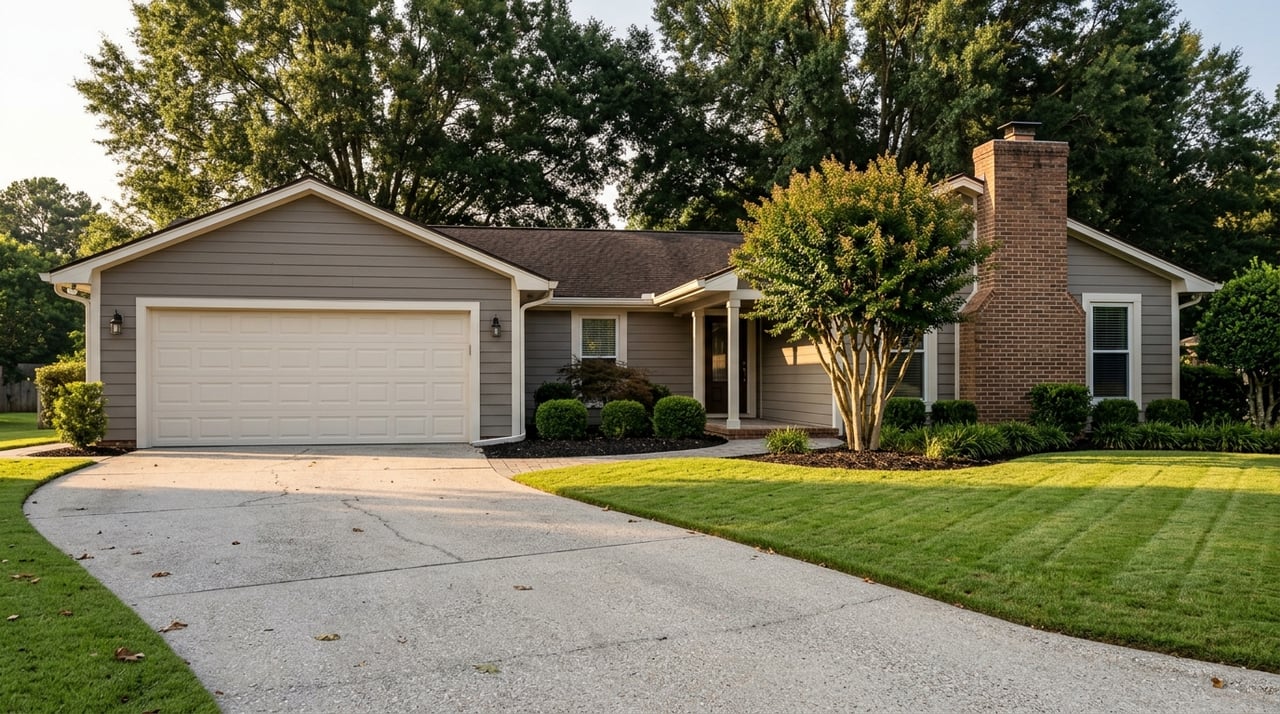
A retaining wall proposed for a Glade Street property in West End came before the Forsyth County Historic Resources Commission this year with a staff recommendation to approve the wall itself while denying the landscaping changes proposed alongside it. Same application, same address, two different answers before the commission ever gaveled in.
That kind of split is the clearest evidence of something most West End sellers only discover the hard way: getting exterior work approved in a local historic overlay district isn't a formality you check off before listing photos. It's a process with its own calendar, its own definitions of what counts as routine, and its own capacity to add weeks to a timeline you thought you controlled.
If you own a home in West End, Old Salem, or Bethabara and you're planning to list this fall, the paint color and the window trim are the easy part. The part that actually determines your list date is a monthly meeting you've probably never attended.
What Actually Needs Sign-Off
Winston-Salem has three locally designated historic districts under one commission's authority: Old Salem Historic District, Bethabara Historic District, and the West End Historic Overlay. Any exterior work in these districts beyond routine maintenance requires a Certificate of Appropriateness, known as a COA, issued by the Historic Resources Commission before a building permit can be pulled.
The commission splits applications into two tracks. Minor Work can be reviewed and approved directly by Historic Resources staff, without waiting for a public meeting, as long as the project meets adopted standards. Major Work and any After-the-Fact COA (work done without prior approval) have to go before the full commission at a public hearing.
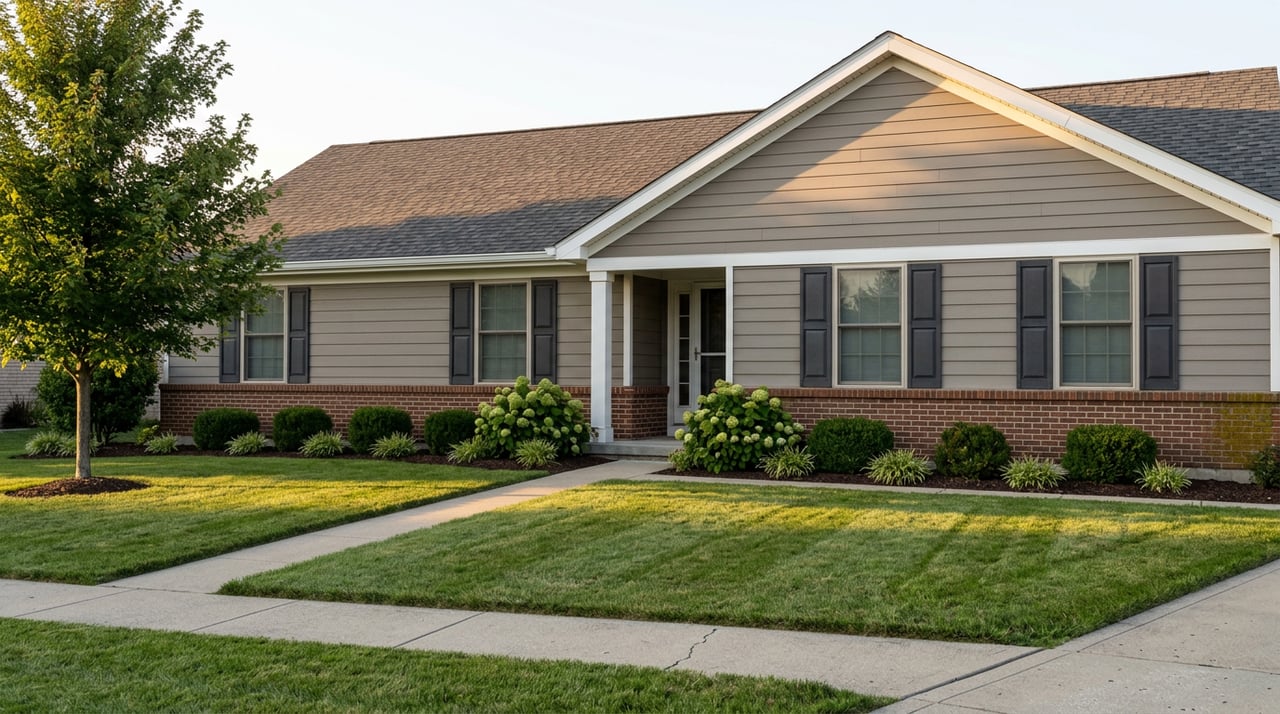
That distinction matters more than most sellers realize, because it determines whether your pre-listing punch list moves in days or in weeks. A recent staff-level minor work approval in West End covered exactly the kind of cosmetic work a seller does before photos: a window replacement matched to a home's original front elevation in scale, material, and proportion, found by staff to meet the district's design standards without needing a hearing at all.
Other cases needed the full commission. Full hearings in West End this year have covered a Major Work application at 1408 Brookstown Avenue, which the commission approved with conditions, a proposal at 846 W Sixth Street, and the Glade Street retaining wall and landscaping application described above. These aren't rubber-stamp meetings. The commission holds a public hearing, takes testimony from anyone speaking for or against the application, and can issue findings that approve part of a project while denying another part outright.
The Calendar Is the Real Constraint
Here's the mechanism sellers miss. The commission meets once a month, on the first Wednesday, at 4 p.m. Major Work applications must be submitted 28 days before that meeting. And the commission typically does not meet in July at all.
Run that forward against a normal fall listing plan. If you're aiming for September photos and your pre-listing scope includes anything that qualifies as Major Work, the paperwork has to be in roughly a month before whichever Wednesday you're targeting, and if your original plan assumed a July window, that meeting doesn't exist. A project that would take three weeks anywhere else in Forsyth County can take two full commission cycles here, purely because of when you filed relative to the calendar, not because of what you're asking to do.
Here's how that plays out against a few common pre-listing scenarios:
| Scenario | Track | Realistic timeline impact |
|---|---|---|
| Repainting in existing colors, routine repairs | Not COA-triggering (routine maintenance) | No added delay |
| Replacing windows to match historic elevation | Minor Work, staff review | Days to a couple of weeks |
| Screening or enclosing a non-original rear porch | Minor Work if low-visibility | Days to a couple of weeks |
| New retaining wall, landscape/hardscape changes | Often Major Work, full hearing | One commission cycle (28-day filing window) |
| Any work already done without a COA | After-the-Fact COA, full hearing | One cycle, plus scrutiny of the completed work itself |
The August 2026 minor work approval report and the May 2026 commission minutes both show this split in practice: a routine window fix cleared at the staff level in weeks, while hardscape and landscape changes went to the full public hearing docket. If your pre-listing to-do list crosses from the first category into the second, your timeline stops being about your contractor's schedule and starts being about the commission's.
What Sails Through, and What Gets Debated
The pattern in this year's West End cases is fairly consistent. Work that restores or closely matches original historic character, using materials and proportions consistent with the district's design standards, moves fast. The window replacement is the clean example: matched to the historic elevation, found compatible with the standards, approved at the staff level with no hearing required.
Work that changes the landscape, adds new hardscape, or reshapes how a lot reads from the street is where hearings get real. The Glade Street case is the clearest example: staff recommended approving the retaining wall as consistent with the standards while recommending denial of the accompanying landscaping features, meaning a single project can split into an approval and a denial depending on which piece of it staff and the commission are looking at.
If you're weighing whether a planned improvement is worth the paperwork before you list, that's the line to think about. Restoring what's already there, in materials the district recognizes, tends to move quickly. Adding something new to the exterior or the yard is where you should expect questions, and possibly a partial denial.
Building the Commission Calendar Into Your Listing Plan
None of this means historic district work is something to avoid. It means the sequencing has to start earlier than it would for a home outside these boundaries. A few things worth doing before you set a list date:
- Confirm which of your three overlay districts your address falls in and pull up the current Historic Resources Commission meeting calendar, since submittal deadlines are tied to specific dates each year.
- Sort your pre-listing punch list into likely Minor Work versus likely Major Work before you commission photography or set a date. A same-material window swap is a different conversation than a new patio or retaining wall.
- If any exterior work is already done without a COA, get ahead of it. After-the-Fact applications go to a full hearing, and that history becomes part of the disclosure conversation with a buyer's agent later, not just a permitting footnote.
- Submit early. The Certificate of Appropriateness page confirms Major Work applications must be in 28 days before the meeting date you're targeting, and that the commission generally skips July, so a summer listing goal needs an early-summer filing.
For a broader look at what makes West End distinct within the city, our recent piece on West End versus Ardmore covers the pricing side of that comparison. This post is about the part that happens before the price gets tested: getting your house ready to list without losing a month to a meeting you didn't know you needed.
A Few Questions Worth Asking Before You List
Does every exterior change in West End need commission approval? No. Routine maintenance, like repainting in an existing approved color or repairing something in kind, generally doesn't trigger a COA at all. The trigger is a change to appearance, materials, or the landscape, not upkeep of what's already there.
Can staff approve my project without a full hearing? Sometimes. Minor Work can be approved by Historic Resources staff directly if it meets the adopted design standards for your district. Major Work and anything done without prior approval require a public hearing before the full commission.
What happens if I've already done the work? That falls under an After-the-Fact COA, which goes to a full commission hearing rather than staff review. It's worth having that conversation with Historic Resources staff before you list, not after a buyer's inspector or agent raises it.
If you're weighing a listing timeline against a historic overlay calendar, or you just want to know what your specific address falls under before you commit to a fall list date, Karen Swicegood can walk through the sequencing with you. Schedule your free consultation and let's map out a plan that accounts for the commission's calendar, not just your contractor's.