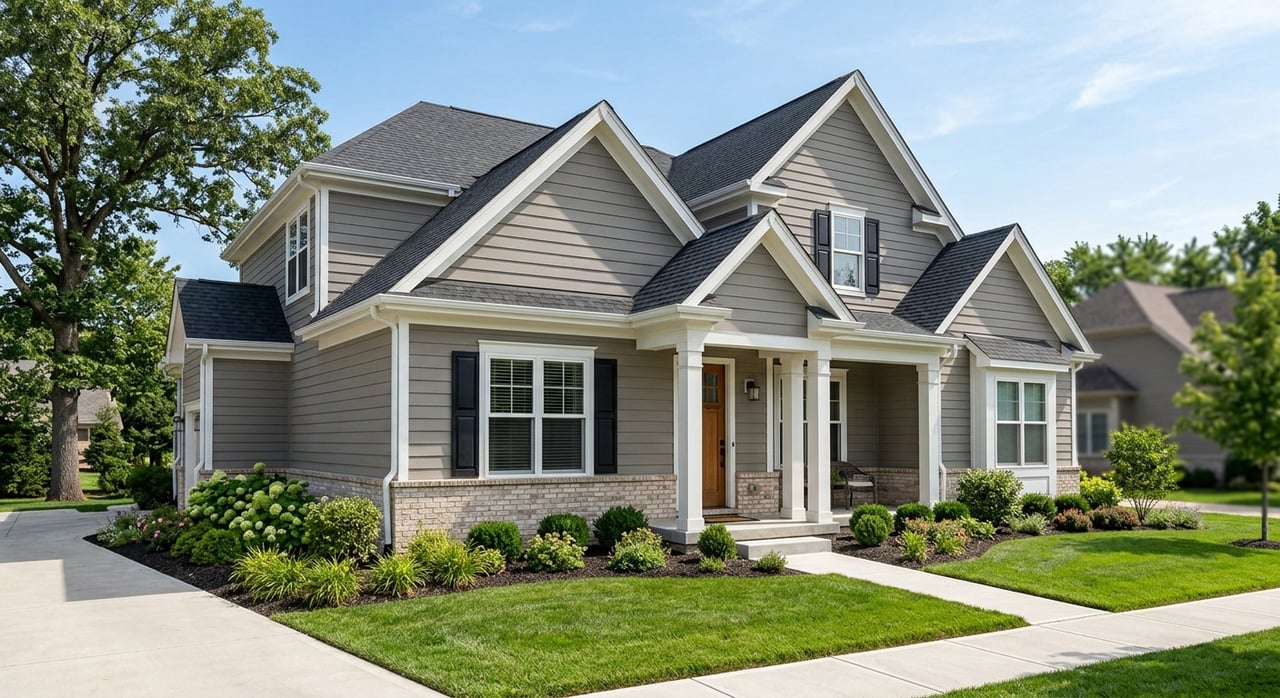
Building on your own land in Advance can feel exciting right up until the questions start piling up. Is the lot actually buildable? Will it support a well and septic system? Do you need county permits before clearing the site? If you are trying to turn raw land into a real home plan, you need a clear path. This guide walks you through the key steps to building a custom home on land in Advance, NC so you can move forward with more confidence. Let’s dive in.
Start With Buildability
Before you focus on floor plans or finishes, make sure the land can support the home you want to build. In Davie County, that usually means checking zoning, access, utilities, floodplain status, and any recorded restrictions tied to the property.
Davie County Planning & Development Services handles zoning permits, subdivision review, rezoning, road naming, and zoning enforcement. The county’s GIS map viewer is a helpful first stop because it includes parcel data, planning layers, utilities, environmental layers, civic boundaries, and NRCS soil information. That makes it easier to spot possible issues early, before you invest too much time or money in a lot.
Review Records Before You Buy
A beautiful piece of land can still come with limits that affect your build. The Davie County Register of Deeds records deeds, deeds of trust, plat maps, and restrictive covenants, which makes it an important source for confirming lot lines, easements, and recorded restrictions.
This step matters because a custom build is not just about what fits physically on the land. It is also about what is legally allowed on that parcel. A recorded easement, plat issue, or covenant could shape where you place the house, driveway, or outbuildings.
Check Access Early
If your parcel fronts a state-maintained road, access is not automatic. NCDOT says anyone developing property or changing access to the State Highway System must obtain a driveway permit.
That means driveway planning should happen early, not after your house plans are finished. If the access point changes what is practical on the lot, it can affect home placement, grading, and even your construction budget.
Understand Well and Septic Requirements
For many land parcels in and around Advance, private well and septic approval is one of the biggest early checkpoints. Davie County Environmental Health requires a site plan, marked corners and lines, and a cleared site before evaluation.
The county’s well-permit application also asks for a survey plat or site plan and the locations of any existing septic systems, sewer lines, water lines, and surface waters. Utilities must be marked before pits are dug, and the county may hold the lot if it is not adequately prepared for evaluation. In simple terms, site prep matters, and delays often happen when a property is not ready for inspection.
Watch for Floodplain Issues
Not every lot has flood risk, but it is important to know before development begins. If the parcel is in a special flood hazard area, Davie County requires a floodplain development permit before work starts.
This is another reason the county GIS tools are useful early in the process. Floodplain status can affect where you build, how you design the site, and how long the approval process may take.
Know Which Permits You May Need
In Davie County, new-home construction is largely a county-regulated process. The Inspections Division issues building permits, reviews plans, and performs inspections for new construction.
According to the county FAQ, a building permit is required for any construction over $40,000 and for work involving load-bearing members or plumbing, HVAC, or electrical work. Work may not begin before required permits are issued. A complete permit application can take up to 10 business days to issue, so it is smart to build that into your timeline.
Understand State Sitework Rules
If your project will disturb more than one acre, North Carolina requires an erosion and sediment control plan before land-disturbing activity begins. That can apply to clearing, grading, driveway work, and other early site activity.
This catches some buyers by surprise because visible construction has not started yet, but sitework itself can trigger review. If your lot needs more extensive grading or clearing, ask about this before the schedule is set.
Follow a Smart Custom Home Sequence
A custom home build usually goes more smoothly when you treat it like a sequence, not a single event. A practical path often looks like this:
- Define your goals and budget
- Assemble your builder and lender team
- Review survey and soils needs
- Confirm utility approach and access
- Prepare permit applications
- Complete sitework and foundation
- Move through framing and rough-ins
- Finish interiors and exterior details
- Complete final sitework and closeout
The biggest takeaway is that pre-construction work carries a lot of weight. Survey work, soils testing, utility planning, financing, and permit submissions often happen long before you see vertical construction begin.
Choose Your Builder Carefully
Builder selection is one of the most important decisions you will make. In North Carolina, a general contractor’s license is required when the project is valued at $40,000 or more.
The state licensing board advises consumers to verify that the contractor’s license is active and to compare written estimates, payment schedules, start and completion dates, permit responsibility, and insurance coverage. For a custom home, that is not just paperwork. It is a key way to protect your budget, timeline, and peace of mind.
Align Financing With the Build Plan
Construction financing works differently from a standard purchase loan. Construction loans are typically funded in draws as the home is built, so your financing structure needs to match the expected pace of construction.
Construction-to-permanent financing can be structured as a single closing or a two-closing setup. Timing limits can apply to the construction period, which is why it helps to line up your lender, builder, and expected schedule early in the process. A mismatch here can create stress later, even if the land and plans look great on paper.
Expect Timeline Variables
One of the most common frustrations with a custom build is assuming that once you own the lot, construction should move quickly. In reality, a lot of time can be spent on due diligence, site prep, approvals, and utility decisions before the foundation is poured.
Davie County says a complete permit application can take up to 10 business days to issue. Inspection requests received by 4:30 p.m. the day before are generally scheduled for the next business day. Those benchmarks help, but they are only one part of the full timeline.
Other common schedule factors include:
- Site conditions
- Home size and design complexity
- Utility setup
- Finish selections
- Driveway and grading work
- Well and septic evaluation timing
If your lot will use county water or sewer, Davie County Public Utilities says new customers should call or visit at least one business day before residential service is needed. If your lot will rely on private well and septic, Environmental Health approvals often become one of the main schedule gates.
Budget for More Than the House
When people picture a custom build budget, they often focus on the home itself. On raw or lightly improved land, though, the site can become a major part of the total cost.
Extra line items often include survey work, soils testing, driveway work, site utilities, foundation work, grading, and landscaping. Since site conditions and finish choices can shift both cost and timing, it is wise to keep a contingency reserve in your plan.
A Local Plan Makes the Process Easier
Building a custom home in Advance is absolutely possible, but it works best when you take the lot seriously before you fall in love with the house plan. Questions about buildability, septic suitability, access, floodplain rules, permits, and builder licensing are usually best answered at the front end.
If you are looking at land in Advance or trying to decide whether a parcel fits your goals, a local guide can help you ask the right questions early. When you are ready to talk through land options, next steps, or your overall buying strategy, schedule your free consultation with Karen Swicegood.
FAQs
What should you check before building a custom home on land in Advance?
- You should check zoning, recorded restrictions, lot access, floodplain status, utility options, and whether the parcel can support well and septic if public service is not available.
Does building on land in Davie County require a building permit?
- Yes. Davie County says a building permit is required for construction over $40,000 and for work involving load-bearing members or plumbing, HVAC, or electrical work, and work cannot begin before required permits are issued.
How do you know if land in Advance can support septic and a well?
- Davie County Environmental Health evaluates the site, and the lot must be properly prepared with a site plan, marked corners and lines, and utilities marked before pits are dug.
Do you need a driveway permit for a lot in Advance?
- If the property fronts a state-maintained road or you are changing access to the State Highway System, NCDOT says a driveway permit is required.
Can floodplain rules affect a custom home build in Advance?
- Yes. If the lot is in a special flood hazard area, Davie County requires a floodplain development permit before development begins.
How long does permitting take for new construction in Davie County?
- Davie County says a complete permit application can take up to 10 business days to issue, though full project timing also depends on sitework, approvals, utilities, and inspections.